Dental care is essential, but for many Canadians, the cost of treatment raises a critical question: does my insurance cover this? Unlike physician visits and hospital stays, dental care in Canada is not covered under provincial health plans for most adults. That means the cost of everything from routine cleanings to crowns and root canals falls on you — unless you have some form of dental coverage. This guide explains the different types of dental coverage available in Canada and helps you understand what’s covered, what’s not, and how to make the most of your benefits.
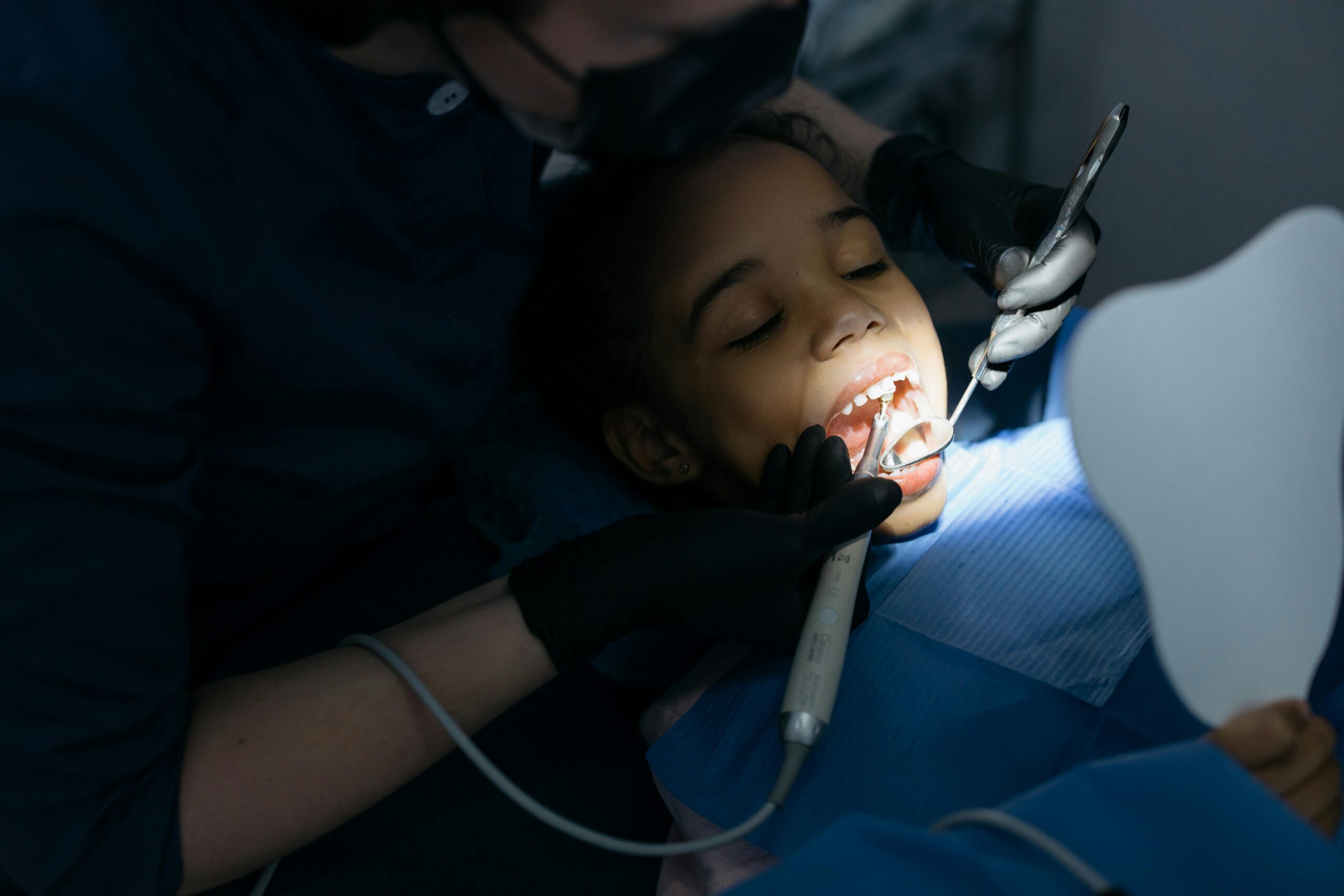
Types of Dental Coverage in Canada
There are several ways Canadians can access dental coverage, and understanding the differences between them is the first step to managing your dental expenses.
Employer-Sponsored Dental Insurance
The most common form of dental coverage in Canada comes through employer benefits plans. Approximately 60% of working Canadians have some form of employer-sponsored dental insurance. These plans typically cover a percentage of dental costs, with coverage levels varying by the type of service.
Most employer plans divide dental services into three categories. Basic services like exams, cleanings, X-rays, and simple fillings are typically covered at 80% to 100%. Major services such as crowns, bridges, root canals, and dentures are usually covered at 50% to 80%. Orthodontic services like braces are often covered at 50% with a lifetime maximum, and some plans don’t cover orthodontics at all.
Annual maximums for employer dental plans typically range from $1,000 to $2,500 per person. Once you’ve reached your annual maximum, you’re responsible for 100% of any remaining dental costs for the rest of the plan year.
The Canadian Dental Care Plan (CDCP)
The CDCP is a federal government program that provides dental coverage to Canadians who don’t have access to private dental insurance. To qualify, your adjusted family net income must be under $90,000, you must be a Canadian resident, and you must not have dental coverage through an employer, pension, or spouse.
The CDCP covers a comprehensive range of services including preventive care, diagnostic services, restorative work, and prosthodontics. Co-pay amounts depend on your income bracket: families earning under $70,000 have no co-pay, those earning $70,000 to $79,999 pay up to 40%, and those earning $80,000 to $89,999 pay up to 60%.
Provincial and Territorial Programs
Several provinces offer limited dental coverage for specific groups. Ontario covers basic dental services for children and youth under 18 through the Healthy Smiles Ontario program, and low-income seniors through Ontario Seniors Dental Care. Quebec’s RAMQ covers dental care for children under 10, social assistance recipients, and certain oral surgeries performed in hospitals. Alberta, British Columbia, and other provinces have similar targeted programs for children, seniors, and low-income residents.
These provincial programs typically cover only basic services and are meant as a safety net rather than comprehensive coverage. If you qualify for both a provincial program and the CDCP, the federal plan may provide broader coverage.
Private Individual Dental Insurance
If you don’t have employer coverage and don’t qualify for the CDCP, you can purchase individual dental insurance from private insurers like Manulife, Sun Life, Green Shield, or Blue Cross. These plans typically cost between $30 and $80 per month per person, with coverage similar to employer plans but often with waiting periods for major services (usually 6 to 12 months) and lower annual maximums.
When evaluating private plans, compare the monthly premium against the annual maximum benefit. If you only need routine cleanings and checkups, a basic plan may be cost-effective. But if you anticipate needing major work, check the waiting periods and coverage percentages carefully — in some cases, paying out of pocket may actually be less expensive than paying premiums for a year before the coverage kicks in.
What Dental Services Are Typically Covered?
Regardless of which type of coverage you have, dental services generally fall into predictable coverage tiers. Preventive and diagnostic services are the most consistently covered. This includes routine exams, cleanings, polishing, fluoride treatments, X-rays, and oral cancer screenings. Most plans cover these at 80% to 100%, and they form the foundation of good dental health.
Basic restorative services like fillings, simple extractions, and emergency treatments are usually covered at 70% to 80%. These are the services you need when a problem is identified during a routine visit.
Major restorative services including crowns, bridges, root canals, dentures, and oral surgery are typically covered at 50% to 70%. These procedures are more expensive, and your out-of-pocket share will be larger.
Orthodontic services like braces and Invisalign may or may not be covered, depending on your plan. When they are covered, it’s usually at 50% with a lifetime maximum of $1,500 to $3,000. Many plans only cover orthodontics for dependents under 18.
Cosmetic procedures such as teeth whitening, veneers for purely aesthetic reasons, and cosmetic bonding are almost never covered by any dental plan in Canada.
Tips for Maximizing Your Dental Benefits
Many Canadians leave dental benefits unused each year. Here are practical ways to get the most from your coverage. Use your preventive benefits fully — most plans cover two cleanings and one exam per year at little or no cost to you, and preventive care catches problems early when they’re cheaper to fix.
Know your plan year and annual maximum. If you need significant dental work, you may be able to split treatment across two plan years to use two annual maximums instead of one. For example, getting a crown in December and another in January.
If you have a spouse and both of you have dental plans, you can coordinate benefits. Submit the claim to your own plan first, then submit the remaining balance to your spouse’s plan as a secondary claim. This can bring your out-of-pocket cost close to zero for many services.
Ask your dentist for a predetermination before starting expensive treatment. Your insurer will confirm in writing exactly what they’ll cover, so there are no surprises after the work is done.
Find a Dentist That Works with Your Coverage
Whether you have employer insurance, the CDCP, or are paying out of pocket, Smile Directory can help you find a dental professional in your area. Our Canadian non-profit directory lets you search by city and specialty to compare clinics near you. Browse our listings to find the right dentist for your needs and budget.